
Summary
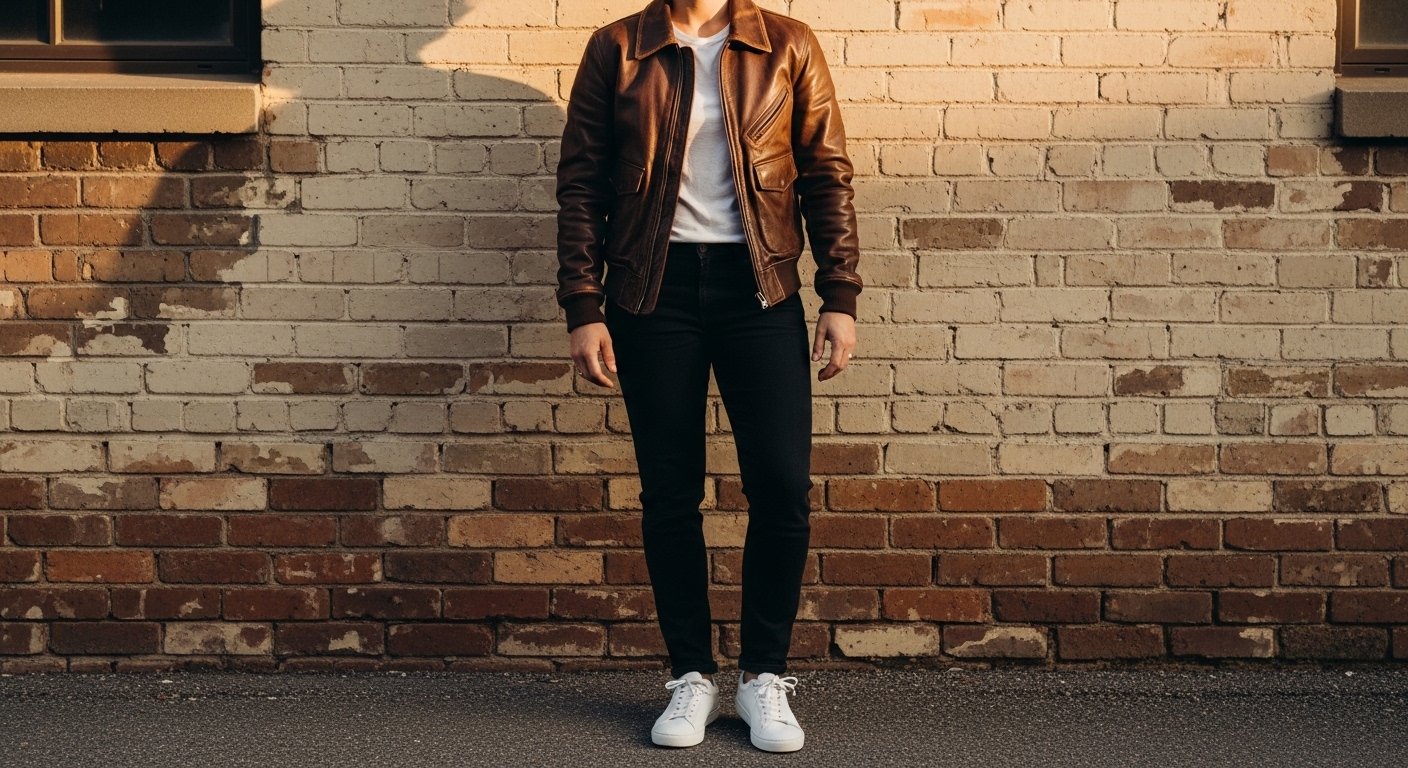
Choosing your first leather jacket can feel overwhelming — dozens of styles, a wide range of leather types, confusing sizing, and prices that vary wildly from $80 to $800. This guide cuts through the noise and gives beginners a clear, step-by-step framework for selecting a leather jacket they’ll wear for decades. We cover everything from understanding leather grades and jacket silhouettes to fit principles, hardware quality, lining choices, and care essentials. By the end, you’ll know exactly what to look for, what to avoid, and how to match a jacket to your personal style and lifestyle.
Outline
- Why a Leather Jacket Is Worth the Investment
- Understanding Leather Types and Grades
- The Most Popular Leather Jacket Styles Explained
- How to Find the Right Fit as a Beginner
- Hardware, Zippers, and Construction Quality
- Choosing the Right Lining and Interior Features
- Colour Selection: Beyond Basic Black
- Matching Your Leather Jacket to Your Lifestyle
- Budget Guide: What to Expect at Every Price Point
- How to Care for Your Leather Jacket
- Red Flags to Avoid When Buying Your First Jacket
- Final Checklist Before You Buy
Why a Leather Jacket Is Worth the Investment
A genuine leather jacket is one of the few wardrobe staples that genuinely improves with age. Unlike fast fashion pieces that wear out within a season, a well-constructed leather jacket develops a unique patina over time, conforming to your body shape, softening in texture, and building a character that is entirely your own. Fashion historians, stylists, and wardrobe consultants consistently rank the leather jacket as one of the highest return-on-investment clothing purchases a person can make.
For beginners, the challenge isn’t motivation — it’s information. Most first-time buyers either overspend on the wrong style or underspend on poor-quality alternatives that look good for six months and then crack, peel, or fall apart. This guide is designed to close that knowledge gap and help you make a confident, informed purchase the first time around.
Beyond aesthetics, a leather jacket serves practical purposes: wind resistance, light insulation in transitional weather, and a level of durability that synthetic alternatives simply cannot match. When you factor in cost-per-wear over ten to fifteen years, a quality leather jacket almost always beats a cheaper synthetic alternative purchased repeatedly.
Understanding Leather Types and Grades
Full-Grain Leather: The Gold Standard
Full-grain leather is the highest quality leather available for jacket construction. It comes from the outermost layer of the hide, retaining the natural grain, imperfections, and markings that give each piece its unique character. Full-grain leather is breathable, develops a rich patina over decades of use, and is the most durable option available. If your budget allows, always prioritise full-grain leather for a first investment jacket.
Top-Grain Leather: A Practical Middle Ground
Top-grain leather has the upper surface of the hide lightly sanded or buffed to remove imperfections, and is then treated with a finish coat. The result is a more uniform, aesthetically consistent surface that is still durable but slightly less breathable than full-grain. Most mid-range leather jackets in the $300–$700 price range are made from top-grain leather, and for most beginners, this is an excellent, cost-effective choice.
Genuine Leather: Not What You Think
Despite its authoritative name, “genuine leather” is technically the lowest grade of real leather. It is made from the lower layers of the hide left over after the top-grain has been separated. It is then treated heavily with dyes and finishes to look like higher-quality leather. Genuine leather jackets may look appealing initially, but they tend to peel, crack, and break down much faster than full-grain or top-grain alternatives. Be cautious of any jacket marketed only as “genuine leather” without further specification.
Bonded Leather: Avoid for Jackets
Bonded leather is essentially the leather industry’s equivalent of particle board — it is made from shredded leather scraps and fibres bonded together with polyurethane. It looks like leather in photographs and feels like it in a store, but it degrades rapidly, typically beginning to peel and flake within two to three years of regular use. Avoid bonded leather entirely when shopping for a jacket intended to last.
Animal Hide Varieties
Beyond grade, the type of animal hide affects the look, texture, and weight of the jacket:
- Cowhide — The most common, most durable, slightly stiff initially, but softens with wear. Best for bikers and classic styles.
- Lambskin — Incredibly soft and supple from day one, lighter in weight, luxurious feel. More delicate than cowhide; best for slim-fit and fashion-forward styles.
- Goatskin — Has a distinctive pebbled texture, is extremely durable, and resistant to moisture. Common in military-inspired and utility styles.
- Suede (split leather) — The inner side of the hide has a soft napped texture. Requires more careful maintenance and is less water-resistant.
- Nubuck — Top-grain leather buffed on the grain side to create a velvet-like texture. More durable than suede but similarly requiring careful upkeep.
The Most Popular Leather Jacket Styles Explained
The Classic Motorcycle (Biker) Jacket
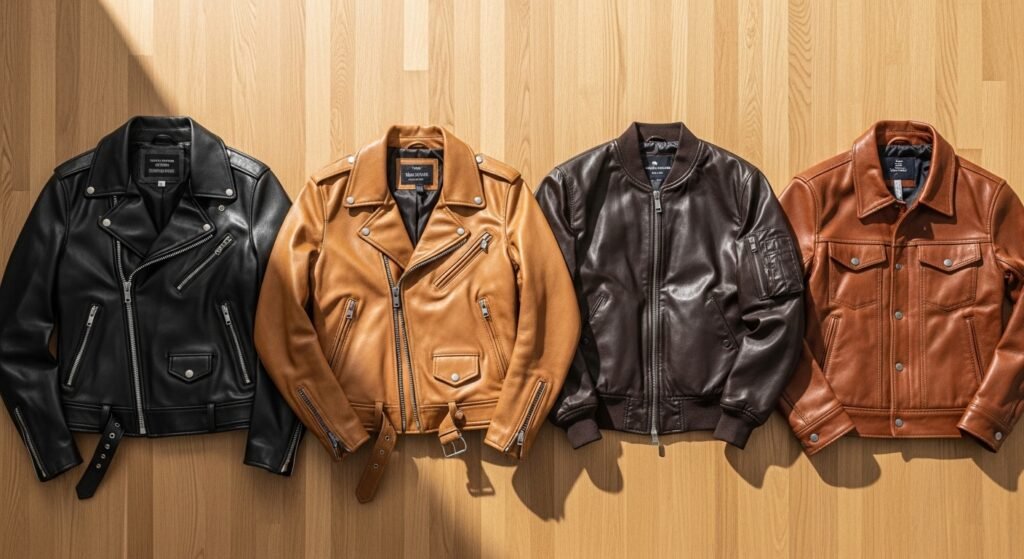
The asymmetrical zip motorcycle jacket — popularised by Marlon Brando in The Wild One — remains the most iconic leather jacket silhouette ever designed. It features a diagonal front zipper, wide lapels, snap-button straps at the collar, zippered chest and sleeve pockets, and often a belted waist. The biker jacket is edgy by nature, pairs best with jeans, boots, and a plain tee, and reads as instantly cool regardless of era or trend cycle.
For beginners who want one leather jacket that makes a statement and works across casual contexts, the biker jacket is the most versatile “bold” option.
The Bomber Jacket
The leather bomber — originally developed for military pilots — is arguably the most accessible and universally flattering leather jacket silhouette. It features a clean front zip, ribbed collar, cuffs, and hem, and typically sits at or just below the hip. The bomber is less aggressive than a biker jacket and easier to wear across a wider range of occasions, from casual weekends to smart-casual evenings.
For beginners who want a leather jacket that is immediately wearable and pairs with almost everything in an existing wardrobe, the bomber is the safest and smartest starting point. The Jaketra Flight Luxury Dark Brown Leather Bomber Jacket is an excellent example of how a well-executed bomber can balance classic military heritage with modern tailoring — rich dark brown top-grain leather, clean ribbed trims, and a silhouette that flatters a wide range of body types.
The Café Racer Jacket
The café racer is a minimalist, streamlined jacket with a clean front zipper, a small band collar (no lapels), and very little external hardware. It sits slim against the body and has a sophisticated, almost European sensibility. Café racer jackets look exceptional in tan, cognac, and warm brown tones and pair beautifully with chinos, dark jeans, and Chelsea boots.
If your personal style leans toward understated elegance rather than rock-and-roll edge, the café racer is the right silhouette for your first leather jacket.
The Leather Trucker Jacket
The leather trucker is a leather interpretation of the classic denim trucker jacket — it features a front button placket, chest pockets, and a slightly boxy, casual silhouette. It has a more relaxed, laid-back feel than biker or café racer styles and works particularly well for casual weekend wear. It can be easier to size due to its inherently relaxed cut.
The Blazer-Style Leather Jacket
The leather blazer sits at the intersection of formal and casual. It features a structured lapel, a button or zip front, and mimics the silhouette of a tailored blazer in leather. It is the most versatile leather jacket for smart-casual dress codes and can function as a layer over a dress shirt or even a light sweater.
How to Find the Right Fit as a Beginner
Shoulder Seam Placement
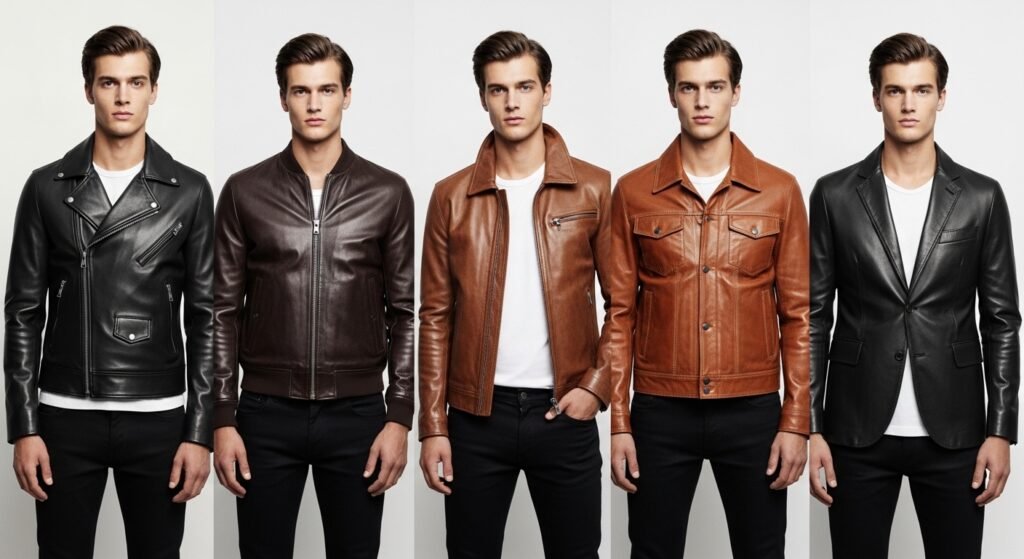
The most important fit marker on any leather jacket is where the shoulder seam sits. It should land precisely at the break of your shoulder — not drooping over the upper arm, and not pulled tight toward the neck. A misplaced shoulder seam cannot be corrected through alterations, making it a non-negotiable fit criterion when trying on jackets in-store or evaluating sizing charts online.
Chest and Back Fit
When zipped or buttoned, the jacket should have minimal bunching across the chest and back. It should feel snug but not constricting. You should be able to slip two fingers inside the jacket at the chest without resistance — any tighter, and the jacket will restrict movement; any looser, and it will look sloppy.
Sleeve Length
Sleeves should end at the base of the thumb when your arms hang naturally at your sides. The cuff should sit just above the wrist bone. Leather sleeves can be shortened by a skilled leather tailor, so slightly long sleeves are adjustable — excessively short sleeves are not.
Jacket Length and Torso
Most leather jacket styles sit at or around the hip, covering the waistband of your pants. A jacket that rises above the hip button on your jeans tends to look disproportionate. Conversely, a jacket that extends past mid-thigh loses the sharp silhouette that makes leather jackets distinctive.
Allow for a Thin Layer Underneath
Leather does not stretch like knitwear or cotton. When fitting, always wear the type of base layer you’ll most commonly pair with the jacket — a medium-weight crewneck or a thin hoodie. If the jacket fits only over a bare t-shirt, it will feel suffocating in winter wear, which is a common beginner mistake.
Body Type Considerations
- Slim builds — Café racer and biker styles emphasise the silhouette best. Avoid overly boxy cuts.
- Athletic/broader builds — Bomber and trucker styles accommodate broader shoulders well. Look for articulated arm seams.
- Larger/fuller builds — Avoid ribbed elastic waistbands that cinch uncomfortably. Straighter hem styles are more comfortable and flattering.
Hardware, Zippers, and Construction Quality
Zipper Quality: The Most Telling Indicator
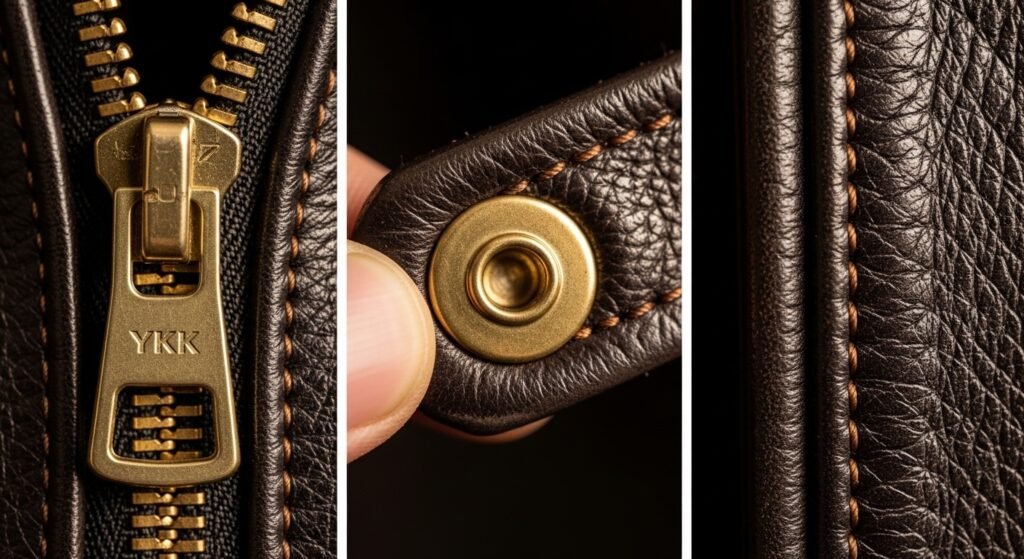
The zipper is the single most reliable shortcut indicator of a leather jacket’s overall construction quality. On a well-made jacket, you will find a YKK, Riri, or Lampo zipper — these are the industry standards used by reputable manufacturers worldwide. They operate smoothly under pressure, resist corrosion, and are engineered to outlast the garment itself.
A cheap, stiff, or scratchy-sounding zipper is almost always indicative of broader cost-cutting throughout the jacket’s construction.
Snap Buttons and D-rings
Snap closures, collar buckles, and D-ring hardware should feel substantial in weight and close with a firm, satisfying click. Lightweight, flimsy snaps that pop open with minimal force are a sign of inferior materials. Look for brass or solid nickel hardware rather than painted zinc alloy.
Stitching Inspection
Turn the jacket inside out at the seams if possible. Double-stitched seams with consistent thread tension — no skipped stitches, no loose threads — indicate careful construction. Pay particular attention to the stitching at stress points: armholes, pocket corners, and the zipper base.
Choosing the Right Lining and Interior Features
The lining of a leather jacket plays a crucial role in both comfort and longevity. A quality lining prevents the leather’s interior from rubbing against bare skin, reduces moisture transfer, and makes the jacket easier to put on and take off.
Viscose and Satin Linings are silky, comfortable, and allow easy layering. They are the most common lining choice in mid-range jackets and perform well in most conditions.
Quilted Lining — typically polyester fill — adds an extra layer of insulation, making the jacket warmer in cooler temperatures. If you plan to wear the jacket through autumn and early winter, look for a lightly quilted or partially quilted lining.
Unlined Leather Jackets are typically reserved for warm-weather wear or for very supple, lightweight leather. They are less versatile in transitional climates.
Interior pockets are worth prioritising — a well-designed leather jacket will have at least one interior zip pocket large enough to hold a phone and cards.
Colour Selection: Beyond Basic Black
Black: The Timeless Default
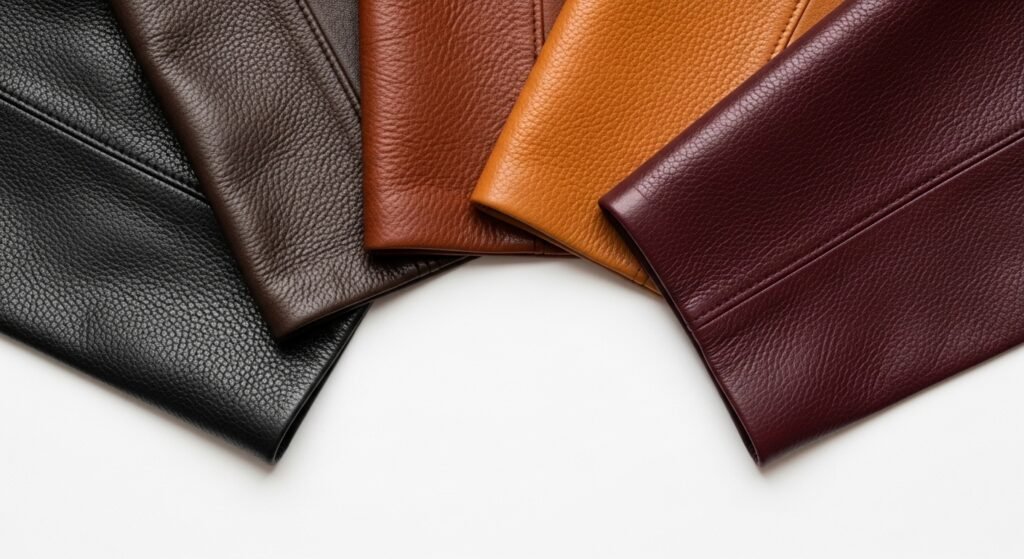
Black remains the single most versatile and universally flattering leather jacket colour. It pairs with virtually everything in an existing wardrobe, requires less conscious outfit planning, and never goes out of fashion. For beginners who want maximum wearability from their first jacket, black is the lowest-risk choice.
Brown in All Its Range
Brown leather jackets — from pale tan to deep cognac to rich dark chocolate — offer a warmer, more heritage-inspired aesthetic. They pair exceptionally well with earth tones, navy, olive, and cream. Dark brown bomber jackets in particular have experienced a significant resurgence in contemporary menswear and womenswear. Brown tends to photograph exceptionally well and develops one of the most beautiful patinas of any leather colour over time.
Tan and Cognac
Tan and cognac leather reads as more casual and relaxed than black or dark brown. These tones work best in café racer or trucker silhouettes and are ideal for a spring or autumn layering piece.
Burgundy and Navy
For buyers who want something more distinctive, deep burgundy or oxblood leather makes a striking statement while still being wearable with neutrals. Navy leather jackets are rarer and work well as a smart-casual alternative for those who find black too stark.
Matching Your Leather Jacket to Your Lifestyle
Casual Everyday Wear
If you plan to wear your jacket primarily with jeans, sneakers, and casual wear, the bomber and trucker styles offer the most wearable, relaxed silhouettes. Lambskin or top-grain cowhide in black or brown will serve you best.
Smart-Casual and Work Environments
For those who need to bridge the gap between casual and business-casual, a leather blazer or minimalist café racer in a mid-brown or cognac tone can complement chinos, pressed trousers, and smart footwear without looking out of place.
Outdoor and Active Use
If durability is your priority — commuting on a motorcycle, frequent travel, or active outdoor use — cowhide or goatskin in a structured biker silhouette offers the best protection. Look for additional features like adjustable waist belts and collar snaps that can be fastened against the wind.
Fashion-Forward Styling
For buyers whose primary motivation is making a style statement, lambskin in a slim biker or sleek café racer silhouette offers the most refined, fashion-forward aesthetic. These jackets are best treated as statement outerwear rather than workhorse layers.
Budget Guide: What to Expect at Every Price Point
Under $150: Manage Expectations
In this range, you will not find genuine full-grain or top-grain leather. Most jackets priced under $150 will be bonded leather, faux leather (polyurethane), or genuine leather of the lowest grade. They may look convincing in photographs, but they will not age gracefully and will typically begin showing wear within two to three years. This range is acceptable for occasional wear or costume purposes, but not for a primary wardrobe investment.
$150–$350: Entry-Level Real Leather
This price range starts to include genuine entry-level cowhide and top-grain leather jackets from overseas manufacturers. Quality control varies significantly in this tier. Look for well-known brands with transparent sourcing and customer reviews that mention longevity specifically.
$350–$700: The Sweet Spot for Most Beginners
This is where value and quality converge for most buyers. In this range, you can expect top-grain cowhide or lambskin, YKK zippers, quality lining, and construction that should last ten or more years with proper care. Most reputable leather jacket brands operating in this tier use either full-grain or excellent top-grain leather with consistent quality control.
$700 and Above: Premium and Luxury Territory
Above $700, you enter the territory of full-grain leather from premium tanneries, hand-finished details, bespoke sizing, and makers who stand behind their products with long-term guarantees. These are heirloom-quality pieces intended to be worn for twenty or more years.
How to Care for Your Leather Jacket
Even the highest-quality leather jacket requires periodic maintenance to maintain its appearance, suppleness, and water resistance. Conditioning your jacket two to three times per year with a leather-specific conditioner — such as Leather Honey or Bick 4 — prevents the leather from drying out and cracking over time. Always store your jacket on a wide, padded hanger rather than folded, as folding can cause permanent crease lines in the leather.
For more detailed guidance, including step-by-step instructions for removing stains, treating water damage, and restoring dried-out leather, read our complete guide on ” How to Clean a Leather Jacket at Home — one of the most comprehensive resources available for leather jacket care and maintenance.
According to the Leather Industries of America, proper conditioning and storage can extend the functional life of a leather garment by decades, making routine care one of the most cost-effective practices a leather jacket owner can adopt.
Red Flags to Avoid When Buying Your First Leather Jacket
Being aware of common pitfalls can save you significant money and frustration:
Vague material descriptions. Any listing or label that says only “leather” without specifying type (full-grain, top-grain, genuine) should be approached with caution. Reputable manufacturers are proud of their leather source and will specify it clearly.
Suspiciously low prices for “genuine leather.” A full-grain or top-grain leather jacket cannot be made at scale for under $150 and still be profitable. If the price seems too good to be true, the leather quality almost certainly reflects that.
Plastic or lightweight zipper pulls. As covered earlier, zipper quality is a reliable proxy for overall construction standards. If the main zipper feels flimsy, assume the same of everything else.
No return or exchange policy. Leather jackets need to be tried on and lived in briefly to assess fit properly. Any retailer that does not offer at least a standard return window for unworn merchandise is not a retailer that stands behind their product.
Strong chemical smell that doesn’t dissipate. Real leather has a distinctive organic smell. An overwhelming chemical or plastic smell that persists after airing the jacket out suggests synthetic materials or heavy coating chemicals used to mask low-quality leather.
Final Checklist Before You Buy
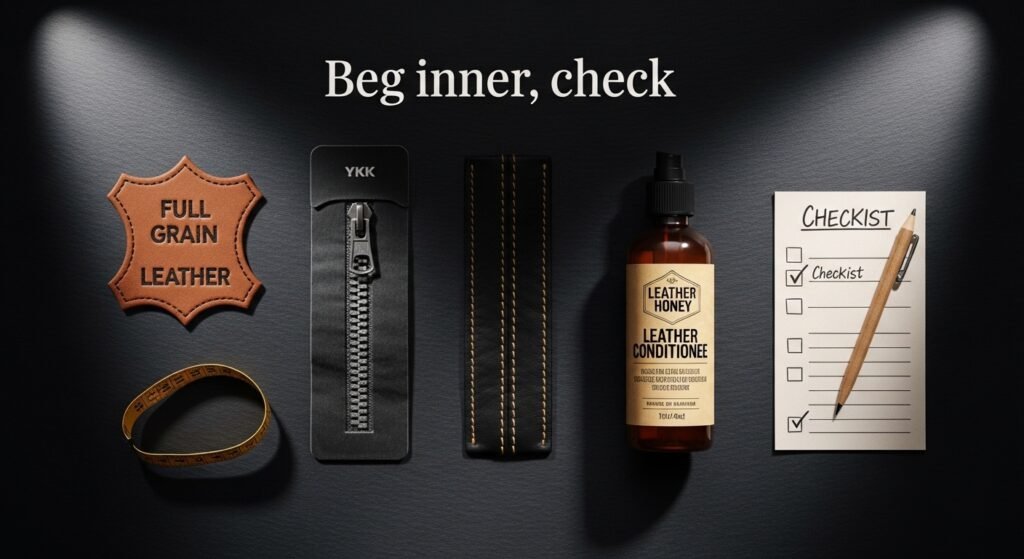
Work through this checklist before committing to any leather jacket purchase:
- Is the leather type clearly specified (full-grain, top-grain, cowhide, lambskin)?
- Does the shoulder seam sit exactly at the break of my shoulder?
- Does the jacket allow comfortable movement in the chest and arms when layered over a medium-weight base?
- Is the main zipper a recognised brand (YKK, Riri, or Lampo)?
- Does the hardware feel substantial in weight?
- Is the stitching even and consistent at visible stress points?
- Does the lining feel comfortable against the skin and appropriate for the climate?
- Is the colour and style versatile enough to pair with at least five existing items in my wardrobe?
- Does the price point reflect realistic leather quality expectations?
- Is there a return policy in case fit needs to be reassessed?
If you can answer yes to every item on this list, you are in a very strong position to make a purchase you’ll be satisfied with for years to come.
