Summary
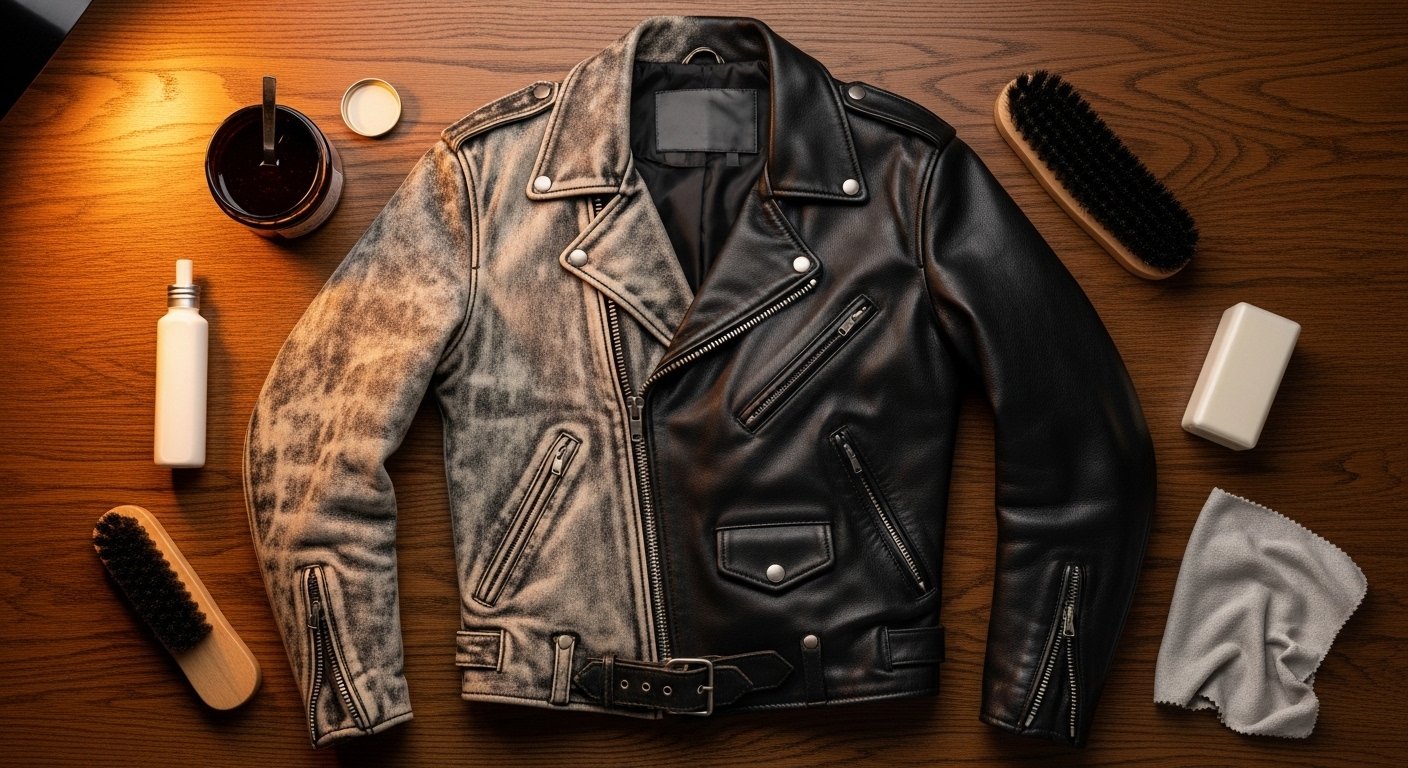
A faded leather jacket doesn’t have to be a lost cause. Whether your jacket has suffered from prolonged sun exposure, neglected conditioning, or simply the wear of time, restoring faded leather jacket color is entirely achievable at home with the right techniques and products. This comprehensive guide walks you through every stage of the leather color restoration process — from diagnosing the type of fade and prepping the surface, to applying leather dye or color restorer, sealing the finish, and establishing a long-term maintenance routine. By the end, you’ll understand not just How to Fix Faded Leather Jacket Color, but why leather fades and how to prevent it from happening again.
Table of Content
- Why Leather Jackets Fade — The Science Behind Color Loss
- Types of Leather and How Fade Affects Each
- Tools and Products You’ll Need
- Step-by-Step: How to Restore Faded Leather Jacket Color
- DIY vs. Professional Leather Restoration
- How to Prevent Leather Jacket Color Fading
- Common Mistakes to Avoid
- When to Consider a New Jacket
- FAQs
- Meta Information & Image Prompts
Why Leather Jackets Fade — The Science Behind Color Loss
Understanding the root cause of leather discoloration is the first step toward an effective fix. Leather is a natural, porous material — its surface fibers absorb and release moisture constantly. Over time, several environmental and chemical stressors break down the colorants embedded within these fibers.
UV radiation is the primary culprit. Prolonged exposure to sunlight causes photodegradation of both the leather’s natural oils and its applied dye pigments, leaving behind that characteristic chalky, washed-out look. This is especially common in full-grain and aniline leather jackets, where the dye sits closer to the surface with minimal protective topcoat.
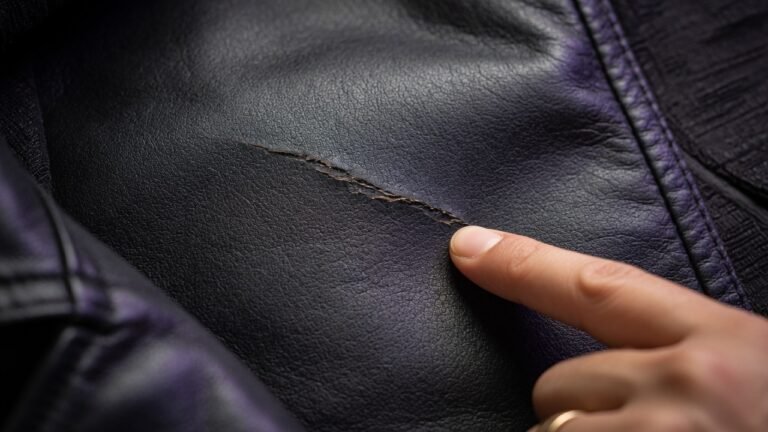
Oxidation and moisture loss also play a major role. As leather dries out, the fibers contract and the surface color becomes uneven — darker in some areas, lighter in others. This is often mistaken purely for fading, but it’s actually a combination of dye depletion and structural dryness.
Body oils, sweat, and friction from repeated wear cause localized color erosion, particularly on the elbows, collar, and cuffs. These areas receive the most mechanical abrasion and chemical contact, accelerating pigment breakdown at a cellular level.
Finally, improper storage — such as keeping a leather jacket in a plastic bag or a damp environment — promotes mold growth and dye bleeding, both of which manifest as patchy discoloration.
Types of Leather and How Fade Affects Each
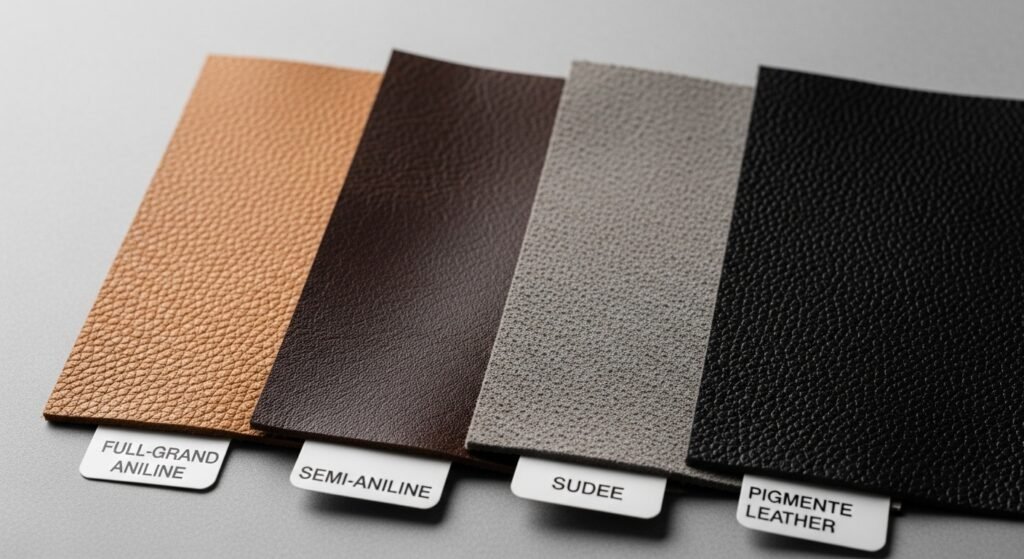
Not all leather is created equal, and the restoration approach varies significantly depending on the type. Identifying your jacket’s leather type before applying any product is essential to avoid further damage.
Full-Grain Aniline Leather
This is the highest quality, most natural leather. It has little to no protective coating, which means dye sits directly in the grain. While it develops a beautiful patina over time, it’s also the most vulnerable to UV fading and moisture damage. Restoration requires gentle, penetrating color products rather than surface coatings.
Semi-Aniline and Pigmented Leather
These have a light to moderate polymer topcoat that protects the color layer. Fading here is typically surface-level, making restoration with a leather color restorer or topcoat reapplication highly effective.
Suede and Nubuck
These napped leathers fade differently — they become dull and matted rather than cracked or chalky. Restoration requires specialized suede dyes and a stiff brush to revive the nap. Standard liquid dyes are not appropriate here.
Bonded and Faux Leather
Technically not genuine leather, but worth mentioning — these materials peel and crack rather than fade, and cannot be restored with traditional leather dye. Color can be masked temporarily with leather paint, but structural repair is limited.
Tools and Products You’ll Need
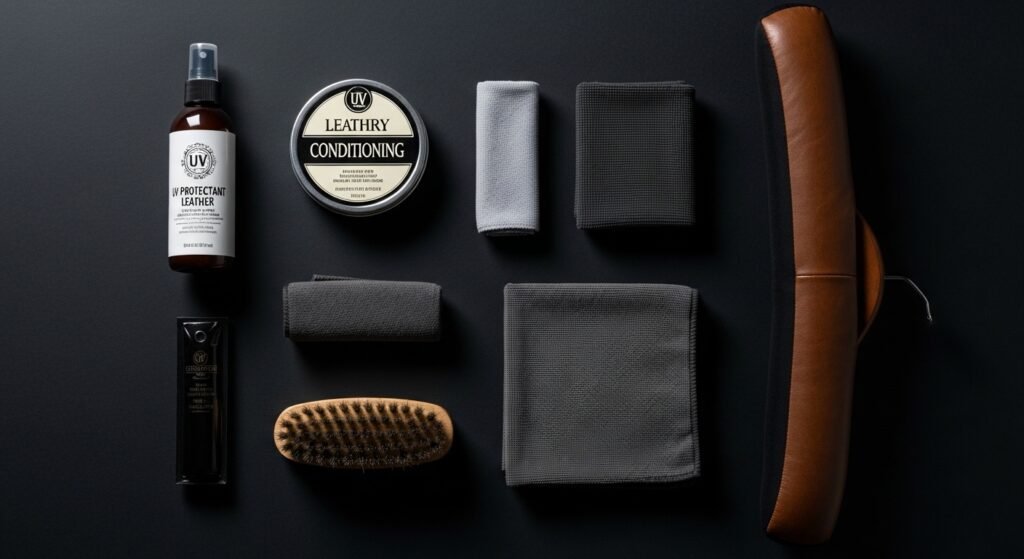
Before you begin restoring your faded jacket, gather the following items. Using the correct tools ensures an even application and professional-quality results.
For Cleaning:
- Leather cleaner or pH-balanced saddle soap
- Soft microfiber cloths (at least 3–4)
- Soft-bristle brush (for seams and texture)
For Conditioning:
- High-quality leather conditioner (mink oil, neatsfoot oil, or a commercial conditioner like Leather Honey or Bickmore Bick 4)
For Color Restoration:
- Leather dye (alcohol-based for full penetration, or water-based for lighter coverage)
- Leather color restorer (semi-permanent tinted cream — ideal for minor fading)
- Leather paint (for cracked or peeling areas that need coverage)
- Wool dauber or foam applicator sponge
- Airbrush kit (optional, for professional-level blending)
For Finishing:
- Leather sealant or finisher
- Leather wax or conditioner for final buff
Pro tip: Always perform a patch test on an inconspicuous area — such as the inner hem — before applying any dye or restorer to the full jacket.
Step-by-Step: How to Restore Faded Leather Jacket Color
Step 1: Clean the Leather Surface Thoroughly
Any restoration attempt on a dirty surface will trap grime beneath the dye or color restorer, creating uneven results. Using a leather cleaner or pH-balanced saddle soap, work the product in small circular motions with a damp microfiber cloth. Pay special attention to collar areas, cuffs, and underarms where body oil accumulates.
Allow the jacket to air dry completely — never use a heat gun or hair dryer, as rapid heat causes leather to crack. This usually takes 30–60 minutes at room temperature.
Step 2: Assess the Depth of Fading
Run your fingers across the faded area. If the leather feels dry and stiff, the fading is compounded by moisture loss, and you’ll need to condition it before dyeing. If it feels supple but looks washed out, it’s purely a pigment issue, and you can move directly to color application.
Also check whether the fade is uniform (sun fading across the back and shoulders) or patchy (wear-pattern fading at contact points). Uniform fading is easier to correct with a single application; patchy fading may require multiple targeted passes.
Step 3: Apply a Leather Conditioner
This is a step many DIYers skip — and it’s a costly mistake. Conditioning before dyeing opens up the leather’s pores, allowing the dye to penetrate more evenly and deeply. Apply a generous amount of leather conditioner with a soft cloth, working it in circular motions. Let it absorb for at least 15–20 minutes, then wipe off any excess.
After conditioning, you’ll often notice the color appears slightly richer already — this is moisture rehydrating the fibers.
Step 4: Choose the Right Color Restoration Method
Your approach depends on the severity and type of fade:
- Minor surface fading: Use a leather color restorer (a tinted cream that deposits pigment without altering texture). Brands like Tarrago Leather Color Restorer or Fiebing’s Leather Dye work well.
- Moderate to severe fading: Use a penetrating alcohol-based leather dye for full-grain leather. Water-based dyes work better for pigmented/coated leathers.
- Cracked or peeling areas: Use leather paint to fill and recolor damaged sections before sealing.
For a classic black motorcycle jacket restoration, alcohol-based black dye gives the most authentic, deep finish. If you’re working on a premium piece like the Jaketra Rider Luxury Black Leather Biker Jacket, it’s worth investing in a professional-grade restoration kit to match the original finish quality.
Step 5: Apply Leather Dye or Color Restorer
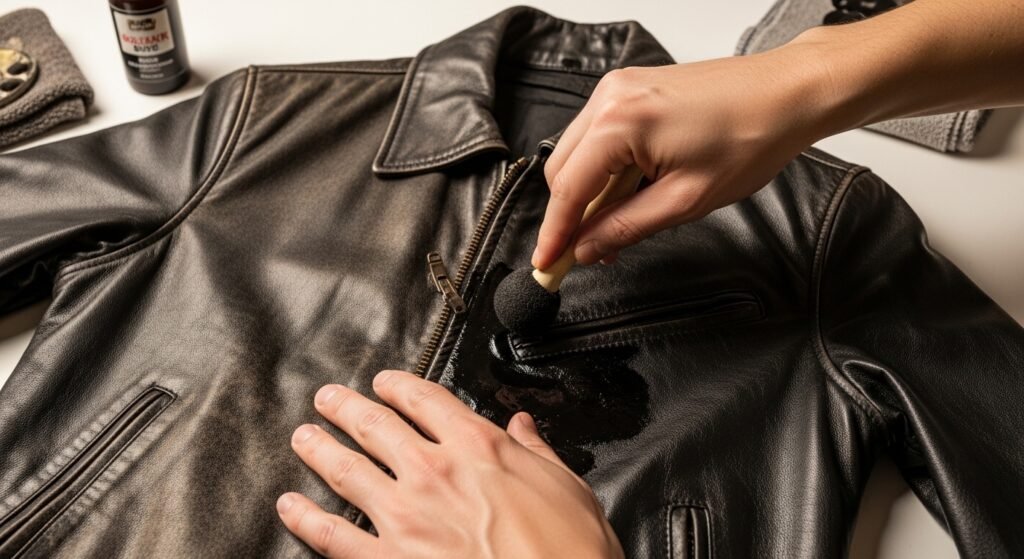
Pour a small amount of dye onto a wool dauber or foam applicator. Work in small, overlapping strokes following the natural direction of the leather grain. Build up color gradually — 2–3 thin layers always outperform one thick coat, which can look uneven and crack over time.
For seams, folds, and creases, use a soft-bristle brush to work the dye into the crevices. These areas often fade more dramatically and are easy to miss.
Allow each layer to dry fully (15–20 minutes) before applying the next. Between layers, lightly buff the surface with a clean cloth to remove any dry residue.
If you’re blending two areas (e.g., a severely faded patch next to a darker area), feather the edges of each application by using less product at the boundaries and blending in a circular motion.
Step 6: Buff and Seal the Color
Once the final color layer has dried (wait at least 1–2 hours), apply a leather sealant or finisher. This locks the dye into the leather and provides a protective topcoat against future UV damage and abrasion. Apply with a clean cloth in thin, even layers.
For a matte finish (common on biker jackets), use a matte finisher. For a polished look, use a gloss or semi-gloss option. Finish with a final pass of leather conditioner wax to restore suppleness and sheen.
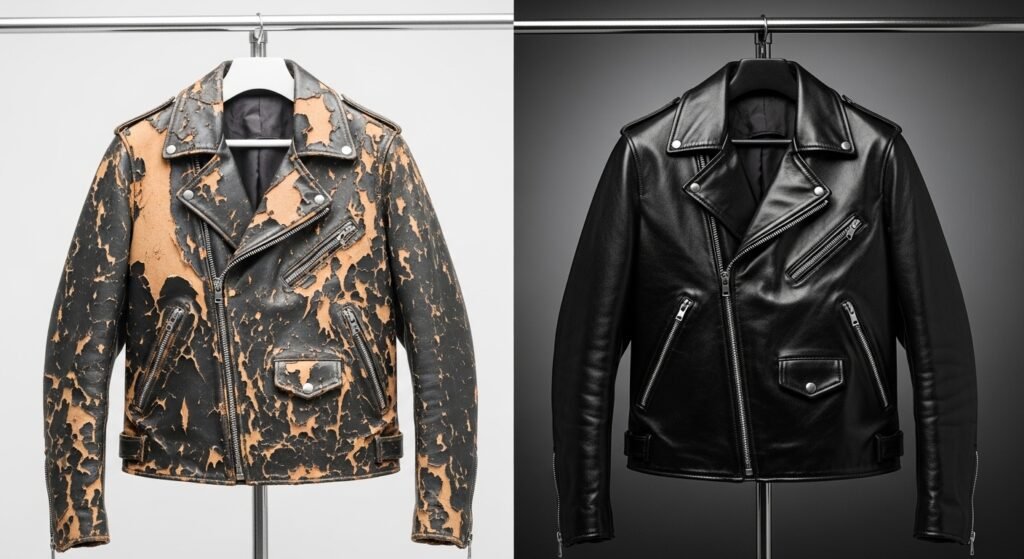
Your jacket should now look dramatically revived — with even, deep color and a healthy surface texture.
DIY vs. Professional Leather Restoration
For most faded jackets, a confident DIY approach yields excellent results — especially if you’re working with uniform fading and standard leather types. The cost is typically $20–$60 in materials versus $100–$300+ for a professional leather restoration service.
However, professional restoration is worth considering when:
- The jacket has extensive cracking or peeling in addition to fading
- It’s a rare or sentimental piece where mistakes are not an option
- The leather type is exotic (ostrich, suede, pebbled grain), requiring specialist knowledge
- You need color matching for a specific Pantone shade that is difficult to replicate at home
Professional leather restorers use industrial-grade compressors and airbrush systems to achieve seamless color blending — a level of precision that’s hard to match manually.
How to Prevent Leather Jacket Color Fading
Prevention is far more economical than restoration. Once you’ve revived your jacket’s color, protect your investment with these proven maintenance practices.
Store Properly
Always hang your leather jacket on a wide, padded hanger — never a wire hanger, which can distort the shoulders. Store in a cool, dark, well-ventilated space. Use a breathable cloth garment bag, never plastic, which traps moisture and promotes mold.
Condition Regularly
Condition your leather jacket every 3–6 months, depending on how frequently you wear it. Leather that stays hydrated holds its dye better and resists surface cracking. According to The Leather Conservation Centre, regular conditioning is the single most effective preventive measure against premature leather aging.
Limit Direct Sun Exposure
Avoid leaving your leather jacket in direct sunlight for extended periods — whether hanging by a window, left in a car, or draped over a chair outdoors. Even 30–60 minutes of intense UV exposure can begin the photodegradation process.
Apply UV Protectant Spray
Several leather care brands offer UV-blocking leather sprays that act like sunscreen for your jacket. Apply once a season for meaningful protection against UV-induced fading.
Clean After Wear
A quick wipe-down with a dry cloth after each wear removes body oils and surface contaminants before they have a chance to break down the dye layer.
Common Mistakes to Avoid When Restoring Leather Color
Even well-intentioned restoration efforts can go wrong. These are the most frequent errors and how to sidestep them.
Using the wrong dye type. Applying alcohol-based dye to a coated/pigmented leather can dissolve the topcoat and cause peeling. Always identify your leather type first.
Skipping the cleaning step. Applying dye over dirt or oil creates a sticky, uneven finish that peels prematurely.
Applying too much dye at once. Thick, single-coat applications dry unevenly, streak easily, and crack over time. Always build in layers.
Not allowing adequate drying time. Rushing between steps leads to smearing and muddy color mixing. Patience between layers is non-negotiable.
Using household products like shoe polish or olive oil. These are not formulated for leather jackets; they can stain stitching, alter texture, or create a greasy film that attracts dust.
Neglecting seams and edges. Fading at stitched seams is often overlooked and creates a patchy final appearance.
If you’re also dealing with physical damage alongside color issues, our guide on How to Repair Small Scratches on a Leather Jacket covers the complementary process of fixing surface abrasions before moving on to color work.
When to Consider a New Jacket
Sometimes restoration reaches its practical limit. If your jacket has widespread structural cracking, delamination of the surface layer, dry rot, or mold that has penetrated beyond the surface, restoration may be cosmetically possible, but the leather’s structural integrity is compromised — meaning it will continue deteriorating regardless of color treatment.
Similarly, if the jacket is bonded leather (layers of leather scraps glued to a polyurethane backing), and the backing is peeling away from the fibers, no amount of dye will reverse the breakdown.
In these cases, investing in a high-quality replacement is the more practical and satisfying option. A well-constructed, full-grain leather jacket, properly maintained from day one, can last 20–30 years without ever needing intensive restoration.
Frequently Asked Questions
Can I use regular fabric dye on a leather jacket?
No. Fabric dyes are formulated for textile fibers and will not bond correctly to leather’s protein structure. They will fade rapidly, bleed when wet, and may damage the leather surface. Always use dyes specifically labeled for leather.
How long does leather dye restoration last?
With proper sealing and regular conditioning, a quality leather dye application can last 2–5 years before a touch-up is needed. UV exposure and wear frequency are the biggest variables.
Can I restore a leather jacket’s color at home without experience?
Yes — with moderate care and the right products, a first-time DIYer can achieve very good results on standard fading. Start with a color restorer cream before attempting full alcohol-based dyeing, as the former is more forgiving.
What is the best color for restoring a black leather jacket?
For black jackets, a pure black alcohol-based leather dye (such as Fiebing’s Pro Dye in Jet Black or Angelus Dye) gives the richest, most durable results. Avoid blue-black tints unless your original jacket had a bluish undertone.
Is it worth restoring a cheap leather jacket?
It depends on sentimental value and the cost of materials. If the jacket costs less than $50, you may spend almost as much on restoration supplies. For a well-made jacket or one with personal significance, restoration almost always makes sense.