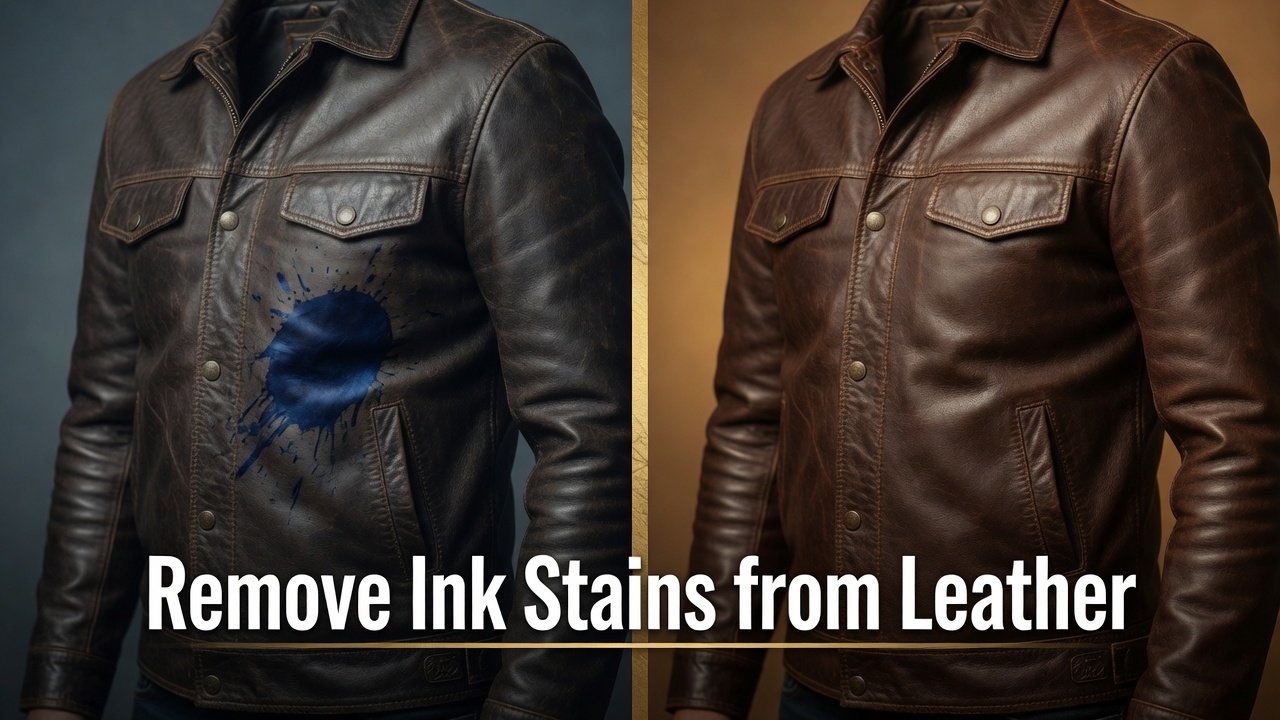
Summary: Ink stains on a leather jacket can feel like a disaster, but with the right approach, most stains — whether from ballpoint pens, markers, or gel ink — can be removed safely at home using everyday products like rubbing alcohol, leather-safe cleaners, or even hairspray, as long as you act quickly, use gentle dabbing motions, and always follow up with a quality leather conditioner to restore moisture and prevent cracking. Read this article for tips to Remove Ink Stains from a Leather Jacket Fast.
Table of Contents
- Why Ink Stains Are Particularly Dangerous for Leather
- Types of Ink Stains and How They Differ
- What You Need Before You Start
- How to Test a Cleaning Method Safely
- How to Remove Ballpoint Pen Ink from a Leather Jacket
- How to Remove Marker Ink from a Leather Jacket
- How to Remove Gel Pen and Rollerball Ink Stains
- How to Remove Permanent Marker from a Leather Jacket
- Natural and Home Remedies for Ink Removal
- What to Do After Removing the Stain
- How to Prevent Ink Stains on Leather Jackets
- When to Call a Professional Leather Cleaner
- Common Mistakes to Avoid
Why Ink Stains Are Particularly Dangerous for Leather
Leather is a porous, natural material. Unlike synthetic fabrics, it absorbs liquids quickly and deeply into its fiber structure. When ink — which contains dyes, solvents, and binding agents — contacts leather, it begins to penetrate within seconds. The longer it sits, the deeper it bonds with the leather’s surface, making removal progressively harder.
This is why acting fast is the single most important factor in successfully removing ink from a leather jacket. A fresh ink stain has a significantly higher removal success rate than one that has dried and set overnight.
Beyond just discoloration, improper stain removal can cause:
- Surface cracking due to harsh chemical exposure
- Color stripping or bleaching of the leather dye
- Texture damage that leaves a rough or stiff patch
- Permanent marks if the wrong product is applied
Understanding how ink interacts with leather at a chemical level — specifically how dye molecules bind to the protein fibers of the hide — helps explain why certain solvents work and others cause more harm than good.
Types of Ink Stains and How They Differ
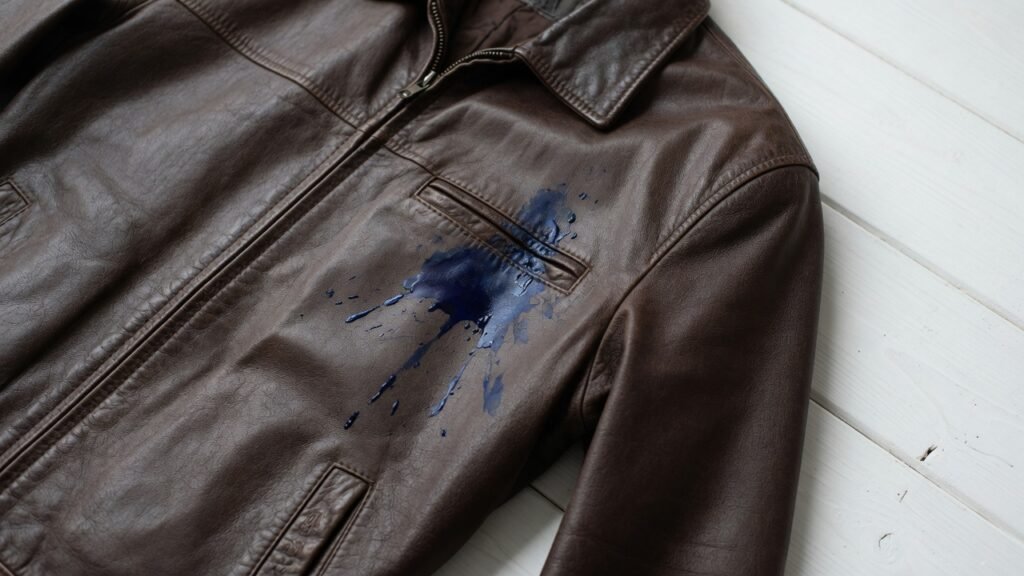
Not all ink is the same, and treatment varies significantly by ink type. Misidentifying the stain can lead to using the wrong cleaner, which may worsen the situation.
Ballpoint Pen Ink
Ballpoint ink is oil-based, which makes it slightly slower to absorb into leather than water-based inks. This is actually good news — oil-based inks respond well to alcohol-based solutions and can often be fully removed if caught early.
Gel Pen and Rollerball Ink
Gel pen ink is water-based and contains pigments suspended in a gel medium. It penetrates leather faster than ballpoint ink. Rubbing alcohol still works, but gentleness is key since aggressive rubbing can spread the stain.
Felt-Tip and Marker Ink
Felt-tip marker ink is typically alcohol-based (in permanent markers) or water-based (in washable markers). Permanent markers pose a greater challenge because their alcohol-soluble dyes bond deeply with the leather’s surface layer.
Fountain Pen Ink
Fountain pen inks are water-based and dye-heavy. They spread quickly and are often more saturated in color, making complete removal challenging — especially on lighter leather jackets.
Permanent Marker (Sharpie-type)
This is the most difficult category. Permanent markers use solvent-based inks designed to resist water and friction. Removing them from leather often requires multiple treatments and may not result in 100% removal without professional help.
What You Need Before You Start
Gathering your supplies before you begin prevents you from leaving a half-treated stain while you search for materials. Here is a complete kit for leather ink stain removal:
Essential Supplies
- Isopropyl (rubbing) alcohol (70% or 90%) — primary cleaning agent for most ink types
- Cotton balls or cotton swabs — for precise, controlled application
- Clean white microfiber cloths — for blotting and wiping
- Leather conditioner — essential post-treatment step
- Mild leather cleaner — for finishing the surface
- Hairspray (alcohol-containing, not dry/aerosol-free) — alternative method
- Non-acetone nail polish remover — for stubborn permanent marker (use with extreme caution)
Optional but Helpful
- Leather repair kit with color-matching pigment — for any dye loss after stain removal
- Toothpick or soft brush — to work cleaners into textured leather grain
- Distilled water — for diluting solutions and final rinsing
How to Test a Cleaning Method Safely
Before applying any cleaning agent to the visible stain area, you must perform a patch test on a hidden section of the leather jacket — such as the inside hem, under the collar, or an interior seam area.
Patch Test Steps:
- Apply a small amount of your chosen cleaner to a cotton swab
- Dab it gently on the hidden test area
- Wait 2–3 minutes
- Blot with a clean white cloth
- Check for color transfer, discoloration, or texture change
If the test area shows no adverse reaction, it is safe to proceed. If you notice any color lifting or surface damage, stop and try a milder alternative.
This step is especially critical on colored leather jackets, suede-finished leather, or vintage jackets where the dye may be more fragile. If you’re unsure about the leather type your jacket is made of, it helps to first understand the difference — check out this guide on Faux Leather vs Real Leather Jacket to identify your material before proceeding.
How to Remove Ballpoint Pen Ink from a Leather Jacket
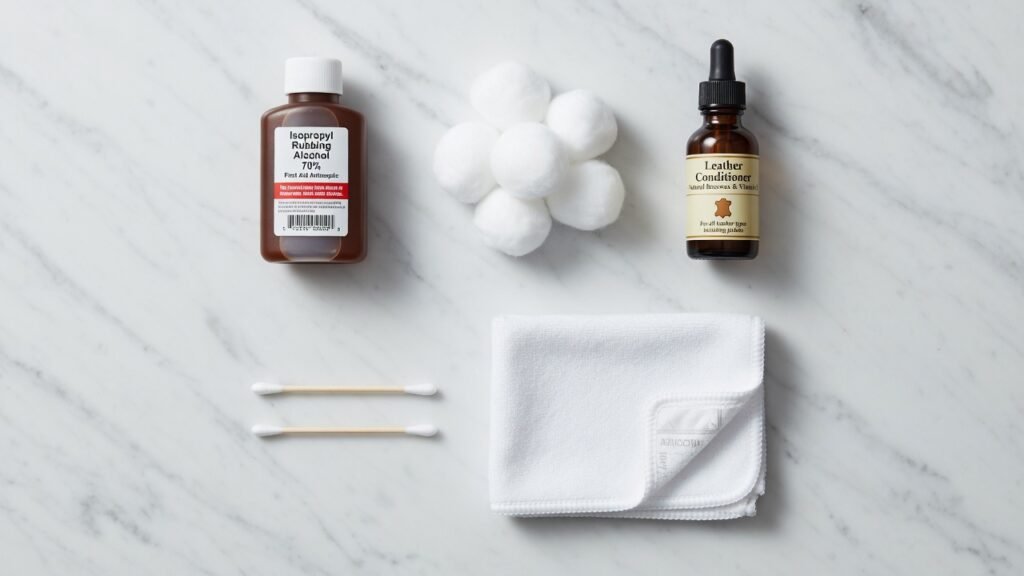
Ballpoint pen stains are among the most common and — fortunately — among the most treatable on leather. Follow these steps carefully.
Step-by-Step Method Using Rubbing Alcohol
Step 1: Blot, don’t rub. As soon as you notice the stain, use a dry cotton ball to blot (not rub) the area gently. This absorbs any surface ink before it penetrates deeper.
Step 2: Apply rubbing alcohol. Dip a fresh cotton swab or ball in 70% isopropyl alcohol. Do not saturate — you want it damp, not dripping.
Step 3: Dab in small circular motions. Work from the outside edge of the stain inward. This prevents the ink from spreading. Use light pressure and replace cotton swabs frequently to avoid redepositing ink.
Step 4: Repeat as needed. Depending on the stain’s age and size, you may need 5–10 rounds of dabbing with fresh cotton swabs. Be patient — rushing leads to spreading.
Step 5: Wipe clean. Once the stain is no longer transferring to the cotton, wipe the area with a slightly damp clean white cloth to remove any alcohol residue.
Step 6: Condition immediately. Alcohol dries out leather. Apply a leather conditioner to the treated area within minutes of cleaning. Buff gently with a microfiber cloth.
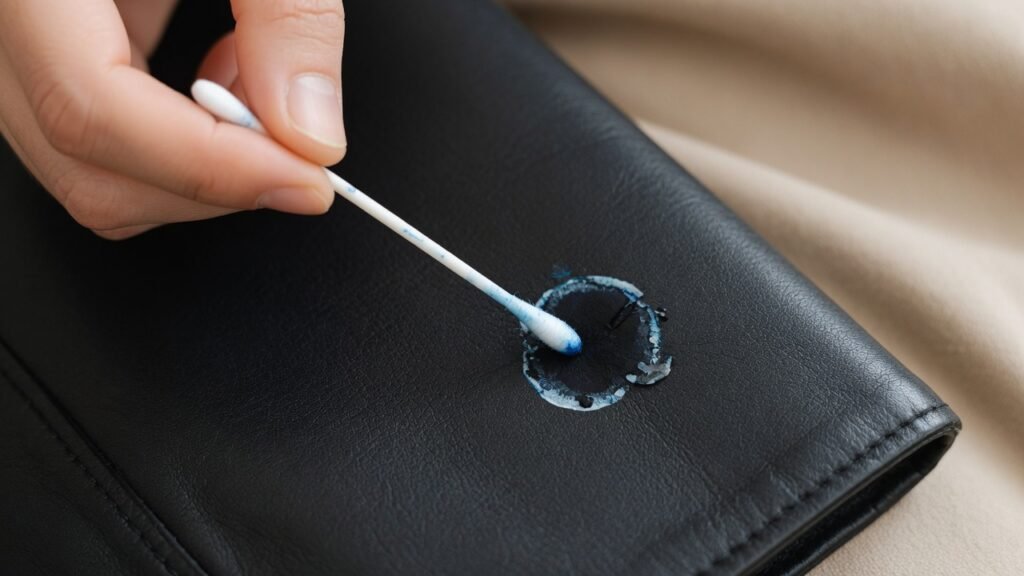
How to Remove Marker Ink from a Leather Jacket
Water-Based Marker Stains
Water-based markers (such as washable Crayola-style markers) are easier to treat. Begin with mild leather cleaner diluted slightly with distilled water. Apply with a soft cloth and dab gently. Follow with alcohol if residue remains.
Alcohol-Based Marker Stains
For alcohol-based markers (including many permanent markers), the rubbing alcohol method above applies. However, you may need to let the alcohol sit for 15–20 seconds before blotting to allow the solvent to break down the ink.
Using Hairspray as an Alternative
Older hairspray formulations containing alcohol can act as an effective marker stain remover:
- Spray a small amount onto a cotton ball (not directly onto the leather)
- Dab onto the stain gently
- Blot immediately with a clean white cloth
- Repeat until the stain lightens
- Follow with leather conditioner
How to Remove Gel Pen and Rollerball Ink Stains
Gel ink’s water-based nature means it can spread easily if you apply too much liquid. Use this controlled method:
Step-by-Step for Gel Ink
- Do not blot with a wet cloth immediately — this can spread the pigment
- Let the gel ink dry completely if it is still wet and gooey
- Once dry, gently scrape any raised gel residue with a toothpick (do not scratch the leather)
- Apply rubbing alcohol with a cotton swab using light, targeted dabbing
- Work in sections smaller than the stain area to maintain control
- Clean off with a damp cloth and condition afterward
How to Remove Permanent Marker from a Leather Jacket
Permanent marker is the hardest ink stain to remove from leather. It may require a combination of methods, and full removal is not always guaranteed.
Method 1: Rubbing Alcohol (Start Here)
Follow the ballpoint pen rubbing alcohol method. For permanent marker, you will likely need significantly more repetitions.
Method 2: Non-Acetone Nail Polish Remover
Use only as a last resort, only after a successful patch test, and only on genuine leather (never faux leather or suede):
- Apply a tiny amount to a cotton swab
- Dab precisely on the stain — do not spread it
- Blot immediately and follow with water and conditioner
Method 3: Leather Degreaser
Some professional-grade leather degreasers can break down the solvent-based dye in permanent markers. These are available at leather specialty stores and are safer for the leather surface than nail polish remover.
According to leather care experts at Leather Honey, conditioning leather after any solvent-based cleaning process is non-negotiable — solvents strip the natural oils that keep leather supple and crack-resistant.
Natural and Home Remedies for Ink Removal
Not everyone has rubbing alcohol or leather cleaner at hand. Several household alternatives have proven effective for minor ink stains:
Baking Soda Paste (for light stains)
Mix baking soda with a few drops of water to form a thick paste. Apply to the stain, let sit for 10 minutes, and wipe away gently. This works better on surface stains than deep ones.
Lemon Juice and Cream of Tartar
Combine equal parts lemon juice and cream of tartar. Apply to the stain and leave for 10–15 minutes. The mild acid in lemon juice can help lift water-based inks. Wipe clean and condition immediately.
White Toothpaste (Non-Gel)
White toothpaste contains mild abrasives that can lift surface ink from leather. Apply a small dab, rub gently in circles, and wipe clean. Avoid gel toothpastes, which can stain.
Petroleum Jelly (Vaseline)
For old, dried ballpoint pen stains, dabbing petroleum jelly and letting it sit for several hours can soften the ink and make it easier to lift. Wipe clean and follow with leather cleaner.
Note: Natural remedies are generally less effective than alcohol-based solutions and work best on fresh, minor stains. For stubborn or deep stains, professional-grade products are recommended.
According to the care guidelines published by The Leather Working Group, preserving leather’s finish and structural integrity during cleaning requires using pH-balanced, leather-safe products whenever possible — especially on high-quality hides.
What to Do After Removing the Stain
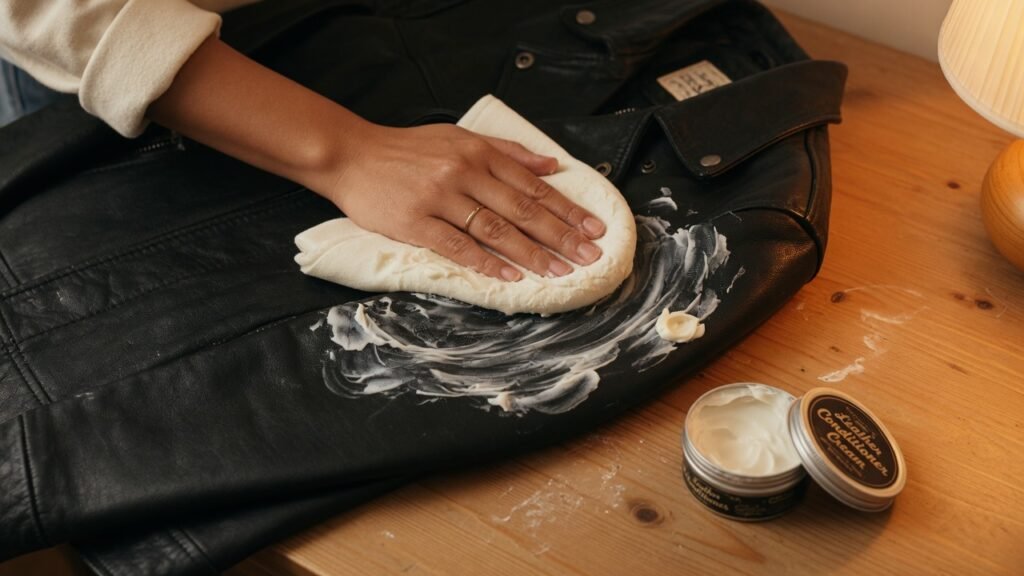
The post-cleaning stage is just as important as the removal itself. Skipping this step can leave your leather dry, stiff, or prone to cracking — even if the stain is completely gone.
Step 1: Remove All Cleaning Residue
Wipe down the treated area with a clean, slightly damp white cloth. Remove any traces of alcohol, hairspray, or other solvents.
Step 2: Apply Leather Conditioner
Choose a quality leather conditioner (cream or lotion format, not wax-based) and apply it generously to the cleaned area. Massage it in using circular motions with a microfiber cloth. Let it absorb for 10–15 minutes.
Step 3: Buff and Polish
Once the conditioner has absorbed, use a dry microfiber cloth to buff the surface to a gentle sheen. This restores the leather’s natural appearance.
Step 4: Allow Full Drying
Let the jacket rest in a well-ventilated room for at least an hour before wearing or storing. Do not use heat to speed up drying — it causes cracking and warping.
How to Prevent Ink Stains on Leather Jackets
Prevention is always easier than removal. These strategies help protect your leather jacket from future ink damage:
Use a Leather Protector Spray
Apply a water and stain repellent spray formulated for leather every 2–3 months. This creates a barrier that slows ink penetration, giving you more time to blot it away before it sets.
Be Mindful with Pens
Store pens in a separate bag pocket or case rather than in the same pocket as your leather jacket. Cap all pens securely before placing them near leather.
Avoid Sitting on Ink-Prone Surfaces
Freshly printed newspapers, wet pen caps, or ink-stained surfaces can transfer ink to leather passively without you noticing.
Treat Your Jacket Regularly with Conditioner
Well-conditioned leather has a slightly more sealed surface that is harder for liquids and dyes to penetrate. Regular conditioning is both a cosmetic and protective measure.
When to Call a Professional Leather Cleaner
Some ink stains are beyond home treatment. Recognizing when to stop attempting DIY removal and seek professional help can prevent you from causing further damage.
Signs You Need a Professional:
- The stain covers a large area (palm-sized or larger)
- Multiple home methods have failed or worsened the stain
- The ink has been on the jacket for several weeks or months
- The leather has already lost color around the stained area
- The jacket is vintage, exotic leather (snakeskin, ostrich), or very high-value
- The stain is on suede or nubuck leather
Professional leather cleaners use pH-controlled chemical baths, ultrasonic cleaning, and professional-grade dye systems that can restore leather to near-original condition in cases where home methods fail.
Common Mistakes to Avoid
Even well-intentioned cleaning attempts can cause permanent damage. Here are the most common errors people make when trying to remove ink from leather:
Rubbing Instead of Dabbing
Rubbing spreads the stain over a larger surface area and pushes ink deeper into the leather’s pores. Always use a gentle dabbing or blotting motion.
Using Too Much Liquid
Over-saturating leather with any liquid — including water or alcohol — can warp the material, cause water marks, or create stiff patches when it dries.
Using Acetone-Based Products
Acetone (found in many nail polish removers) is highly corrosive to leather dyes and can strip the finish entirely, leaving white or faded patches.
Skipping the Patch Test
Applying any cleaner directly to the visible stain without testing first is one of the most common — and most avoidable — mistakes.
Forgetting to Condition
Every cleaning session, especially those involving alcohol or solvents, must be followed by conditioning. Skipping this step leaves the leather vulnerable to cracking and premature aging.
Applying Heat to Speed Drying
Using a blow dryer or placing the jacket near a heater after cleaning causes the leather to dry unevenly, leading to stiffness, cracking, and shrinkage.
Using Paper Towels
Paper towels are too rough for leather and can scratch the surface or leave fibrous residue. Always use soft cotton balls, cotton swabs, or microfiber cloths.
With the right technique, most ink stains on leather jackets can be fully or significantly reduced at home. The key principles are: act immediately, use the right solvent for the ink type, work gently from the outside in, and always condition afterward. Your leather jacket is an investment — treating it with care ensures it lasts for decades.